{article.name}

Surfside Equipment Rental & Sales
Fall Landscaping Projects Made Easier with the Right Equipment
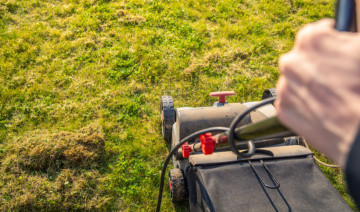
Fall isn't just about raking leaves. Cooler temperatures and the transition between growing seasons can make it a great time to tackle larger landscaping projects that were put off during the heat of summer.
Whether you're renovating part of your lawn, clearing an overgrown area, preparing new garden beds, or moving landscape materials, having the right equipment can turn a labor-intensive project into a much more manageable job.
Here are several fall landscaping projects to consider and the equipment that can help you get them done.
Aerate Compacted Soil
After months of mowing, foot traffic, outdoor activities, and summer heat, lawn soil can become compacted. Compaction can make it more difficult for air, water, and nutrients to reach the root zone.
Core aeration removes small plugs of soil throughout the lawn, helping reduce compaction and creating openings for air and water.
For larger lawns, using a powered aerator can make the process much more efficient than relying on manual tools. Before aerating, identify sprinkler heads, shallow irrigation lines, underground pet fences, and other obstacles that could be damaged.
Prepare Areas for Overseeding
If your lawn has thin or bare areas, fall may be an appropriate time for overseeding, depending on your grass type and local growing conditions.
Preparation can make a big difference. Mowing, dethatching when necessary, aerating, and creating good seed-to-soil contact can help give new grass a better start.
Equipment such as aerators, dethatchers, and seeders can be especially useful when renovating larger sections of lawn.
Always select grass seed appropriate for your region and follow recommended timing and care instructions.
Create or Expand Garden Beds
Thinking about adding more planting space next year? You don't necessarily have to wait until spring to get started.
Fall can be used to remove existing vegetation, define new beds, loosen soil, and prepare areas for future landscaping.
Depending on the project, a tiller or sod cutter can reduce the amount of digging required by hand. Sod cutters can help remove existing turf in defined sections, while tillers can loosen soil in areas being prepared for planting.
Before tilling, check the area for buried utilities, irrigation components, landscape lighting wires, and other obstacles.
Move Mulch, Soil, Gravel, and Other Materials
Even a relatively small landscaping project can involve moving a surprising amount of material.
Wheelbarrows and hand tools work well for many projects, but larger jobs involving soil, mulch, gravel, stone, or debris may benefit from compact material-handling equipment.
Compact loaders and similar machines can help transport materials across a property and reduce repeated heavy lifting. They can also be useful when regrading small areas or cleaning up after a larger landscaping project.
Choose equipment based on the amount of material, available working space, ground conditions, and terrain.
Improve Problem Drainage Areas
Fall rain can make drainage problems around a property easier to spot. Watch for standing water, erosion, consistently soggy areas, or runoff traveling toward structures.
Some drainage improvements may involve creating shallow swales, installing drainage pipe, or digging trenches to redirect water.
For projects requiring significant digging, a trencher or compact excavating equipment may save considerable time compared with doing the entire job by hand.
Before digging, always have underground utilities located and understand any local requirements that apply to your project.
Clear Overgrown Areas
Summer growth can leave behind thick weeds, brush, vines, and small saplings. Once growth begins slowing for the season, fall can be a convenient time to reclaim neglected areas.
Brush cutters and other heavy-duty clearing equipment can help with vegetation that is beyond the capabilities of a typical lawn mower or string trimmer.
Walk the area before beginning and remove visible rocks, wire, branches, and other debris that could create a hazard. Also identify slopes, holes, stumps, and other obstacles before operating equipment.
Remove Unwanted Sod
If you're planning a new walkway, patio, garden bed, or other landscape feature, removing turf is often one of the first steps.
Instead of digging up an entire area with a shovel, a sod cutter can create more consistent strips of turf and help prepare the site more efficiently.
Mark the boundaries of the project first so you know exactly how much turf needs to be removed. Once the sod is gone, you can begin preparing the base for whatever comes next.
Clean Up Before Winter
Fall landscaping often creates piles of leaves, branches, brush, soil, and other debris. Plan for cleanup before beginning the project rather than figuring it out at the end.
Depending on the job, useful equipment may include leaf blowers, wood chippers, brush-clearing equipment, or compact loaders.
Also determine how yard waste should be handled in your area. Local rules may affect whether certain materials can be composted, collected, chipped, or taken to a disposal facility.
Match the Equipment to the Project
Bigger isn't always better when choosing landscaping equipment.
Before selecting a machine, consider:
- The size of the project area
- Gate and access widths
- Slopes and terrain
- Soil and ground conditions
- Underground and overhead obstacles
- The type of material being moved or removed
- Transportation requirements
- Your experience operating the equipment
Choosing equipment that fits both the job and the property can make the project safer and easier to manage.
Make the Most of Fall Project Season
A productive fall can set your landscape up for an easier start next spring. From aerating lawns and preparing garden beds to improving drainage and moving heavy materials, there are plenty of projects worth completing before winter arrives.
Specialized equipment can help take some of the manual labor out of these bigger jobs. Plan your project carefully, choose equipment suited to the task, follow operating and safety instructions, and use the cooler fall weather to make progress on your landscaping to-do list.

Comments